Hundreds of thousands of healthy teenagers were given a second Covid vaccine dose in New Zealand after officials were advised about an increased risk of heart condition myocarditis.
The New Zealand government rolled out Covid vaccines for 12 to 15-year-olds in September 2021, two weeks after officials warned that more data was needed on myocarditis, and then rolled out a “Two Shots for Summer” campaign involving mandates and vaccine certificates for teens.
Emails released earlier this year along with new vaccination data obtained by Reality Check Radio show that 311,257 teenagers were given second doses while government advisors privately raised risk concerns and debated allowing young people to be “fully vaccinated” after one jab.
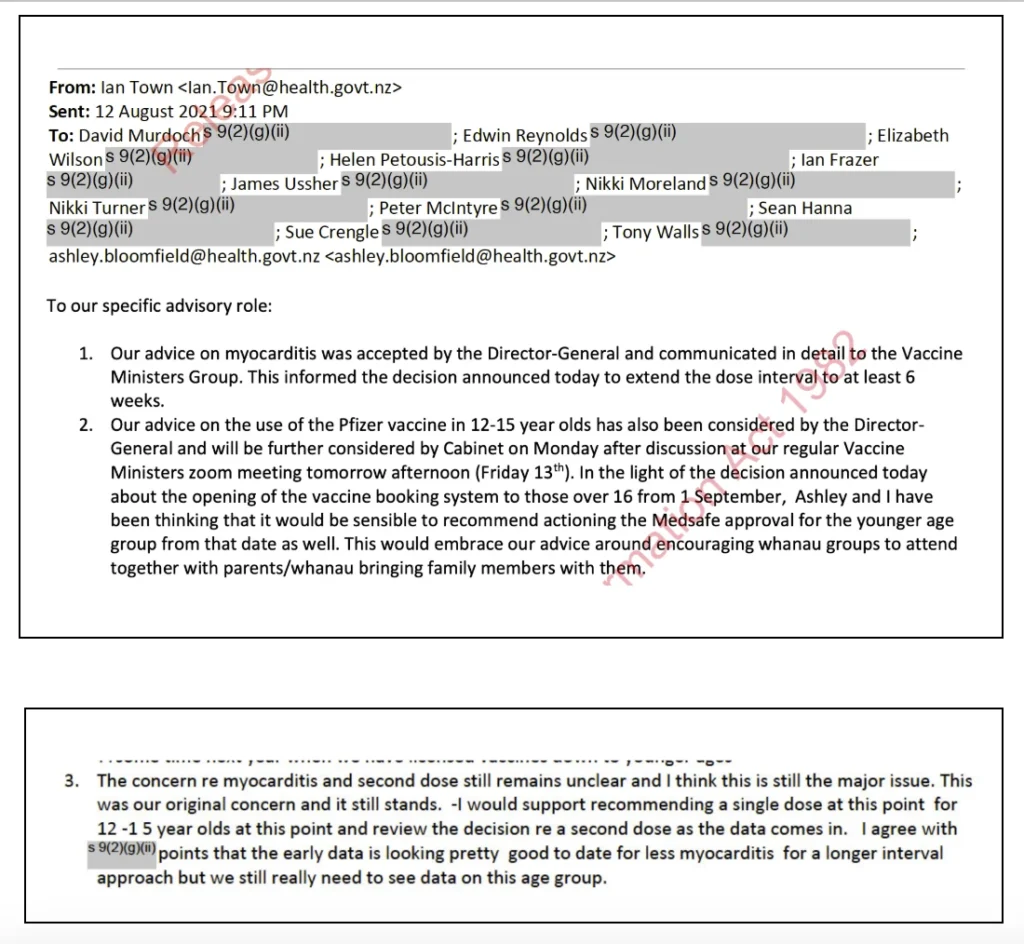
On August 12, 2021, Covid-19 Vaccine Technical Advisory Group (CV TAG) chair Dr Ian Town sent an email confirming the group’s advice on myocarditis had been “accepted by the Director-General [of Health] and communicated in detail to the Vaccine Ministers Group”.
That group included then-Prime Minister Jacinda Ardern, and current Labour leader Chris Hipkins.
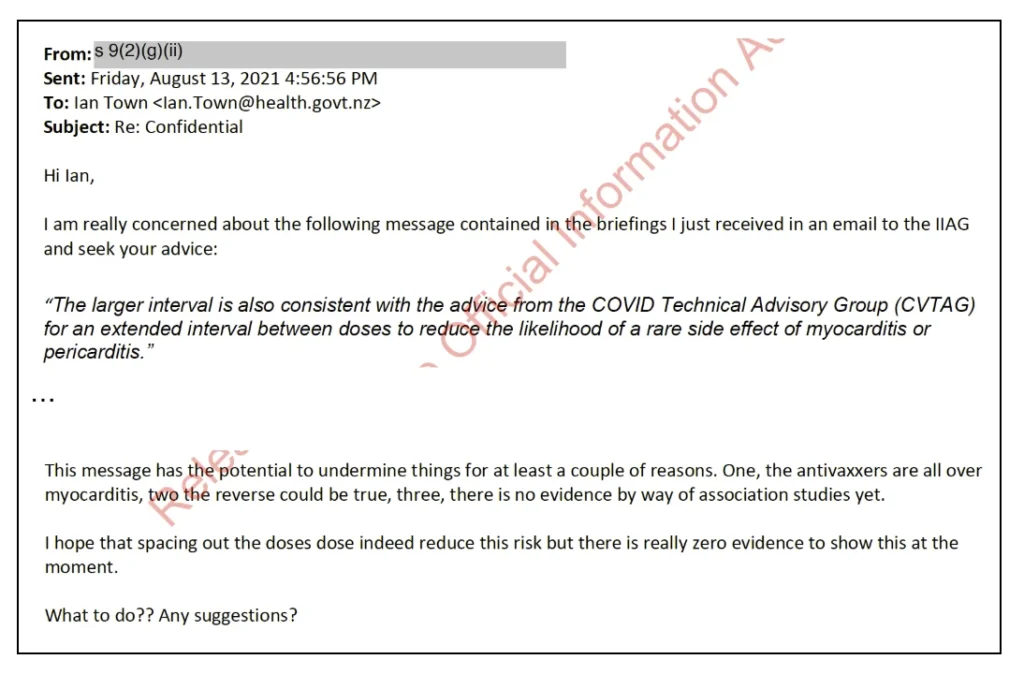
The next day an expert advisor replied saying they supported recommending a single dose of the Pfizer vaccine for 12-15s, followed by a review “as the data comes in”, but a second unidentified official wrote to Dr Town saying they were concerned about CV TAG’s advice on an extended interval between doses to reduce the risk of myocarditis.
“This message has the potential to undermine things for at least a couple of reasons. One, the antivaxxers are all over myocarditis, two the reverse could be true, three, there is no evidence by way of association studies yet,” the official wrote.
CV TAG then reversed its position and recommended universal vaccination of 12 to 15-year-olds, but did not include the information about myocarditis risk in public messaging.
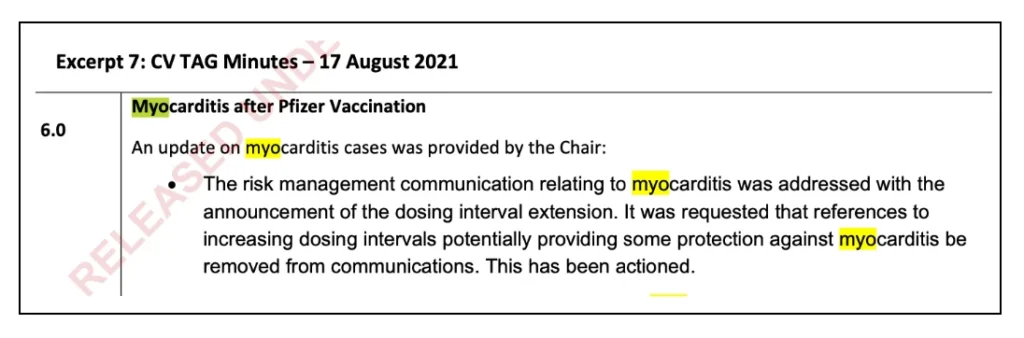
Minutes from a CV TAG meeting on August 17 show that Dr Town provided an update on a request “that references to increasing dosing intervals potentially providing some protection against myocarditis be removed from communications”, and said it had been “actioned”.
Ms Ardern announced two days later that 12 to 15-year-olds were now eligible for Pfizer vaccinations, saying it was “safe” and “the right thing to do”.
On September 21, CV TAG raised the fact that the UK was not vaccinating the same age group, and queried whether New Zealand’s decision should be “revisited” or only single doses given, but no action was taken.
In November, with the Two Shots for Summer campaign well underway, CV TAG again noted that a second dose of the Pfizer vaccine put younger age groups at greater risk of myocarditis.
The group cited an increased risk of myocarditis due to the two doses required under vaccine mandates, and recommended a single dose in younger age groups, and said the government should consider changing mandates to permit younger people to work with a single dose.
The following month CV TAG again raised concerns that the government’s definition of “fully vaccinated” still did not reflect its advice on a single dose for 12 to 15-year-olds, who did not require parental consent to get vaccinated.
It was not until December 15, after a 26-year-old had died of vaccine-related myocarditis, that the Director-General of Health instructed health providers to inform vaccine “consumers” about heart inflammation risks, but by this time 78% of the population aged 12 to 17 had already received two doses.
Katie Ashby-Koppens, Head of Legal at advocacy group Voices For Freedom, told RCR the government should take action in response to the revelations.
“Every one of those young people should now be offered a cardiology consultation and appropriate testing, at no cost to them or their families,” she said.
“Parents made decisions for their children based on the information they were given at the time. The least the Government can do now is ensure those young people have access to proper cardiac assessment.”
RCR co-founder Alia Bland said the figures raised major questions about informed consent.
“You cannot have informed consent without honesty. Parents and young people had a right to know what was known, what remained uncertain, and what the Government’s own experts were concerned about. You don’t get to decide which information people can handle and still call their decision informed,” she said.
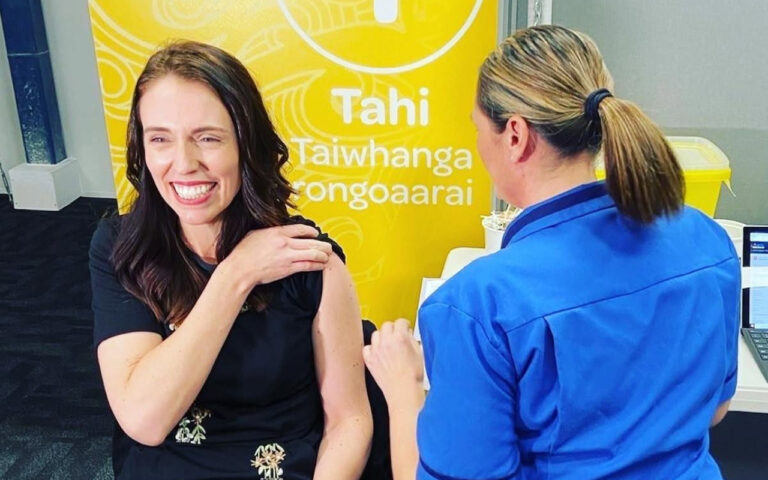
Header image: Jacinda Ardern getting a vaccine (Facebook).