Italy has banned burqas in schools and capped the number of foreign students in some classes at 30% amid growing pressure from new right-wing party National Future.
Prime Minister Giorgia Meloni announced this week that from September 2027, wearing face coverings on school premises would be punishable with fines of up to €1,000, and said “no one should force a girl to hide herself”..
The new law also limits the number of some categories of foreign students in first-year classes, and requires non-Italian speaking parents to take a mandatory free language course.
The cap will be stricter in primary schools, where it applies to non-citizens who were not born in Italy and have not attended at least two years of Italian pre-school. In high schools it applies to non-citizens who have not completed at least three years in Italian schools.
“These are common-sense measures that do not divide people, but help foster genuine integration,” Ms Meloni said on X after her cabinet approved the law.
“A 30% cap on the number of students in a class who do not have an adequate command of Italian, more tools for learning our language, and a ban on the burqa and niqab in schools.”
She also responded to criticism by saying the burqa ban was a “matter of security”.
Opposition parties have condemned the new law, and accused Ms Meloni of bringing it in to counter the rise of National Future (Futuro Nazionale), which has hit 8% in the polls.
The right-wing party, which was founded just seven months ago by charismatic former general Roberto Vannacci, has focused on schools as part of a campaign for remigration, and recently called for foreign student limits in classrooms, Euronews reported.
National Future has also argued that Italy’s national identity is being damaged by Islamic “contamination” in schools.
Education minister Giuseppe Valditara said the cap would affect 34,000 classes across the country, and data from think tank ISMU Foundation shows there are about 900,000 foreign students in Italian schools, 11.6% of the total student population.
Most foreign students are enrolled in northern Italy, about 43% are from European countries, and 32% are from Africa.
The burqa ban comes after Portugal last month outlawed the wearing of Islamic face coverings in public, and Denmark banned them in schools and universities in July.
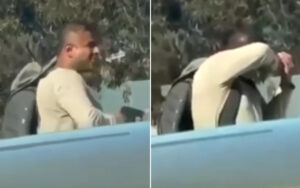
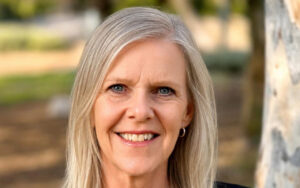
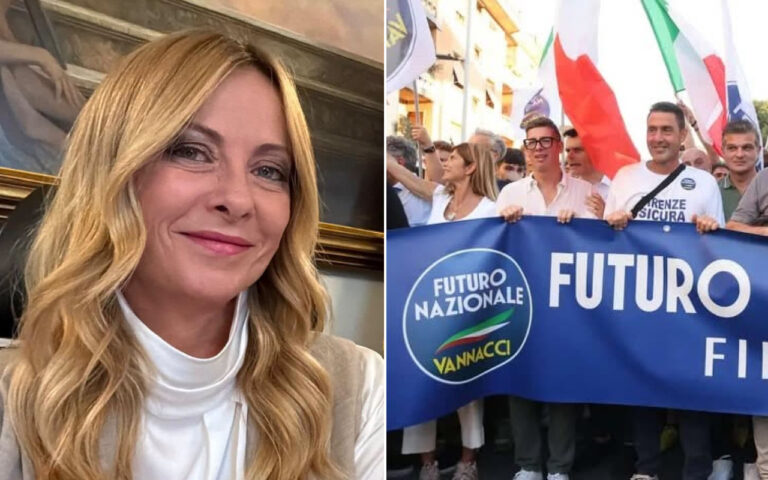
Header image: Left, Giorgia Meloni in a photo she shared on social media while announcing the ban. Right, Robert Vannacci at a National Future rally (Facebook).