Thousands of Australians are calling for the Labor government to scrap its plan for a “digital duty of care” internet censorship scheme over free speech and online privacy concerns.
A petition started by advocacy group CitizenGo Australia calls on Communications Minister Anika Wells to scrap her Digital Duty of Care bill, which the government is expected to attempt to legislate in 2026 after public consultation closed earlier this month.
The bill would require large tech companies to “proactively” identify and shield users from harm, including harms to young people, harms to mental wellbeing, the instruction and promotion of harmful practices, and other illegal content and activity, the government said when the bill was introduced last year.
But the petition, which has been signed by more than 10,500 Australians so far, warns the bill criminalises legal speech, attacks democratic accountability, gives online censor Julie Inman Grant too much power, lays a foundation for future digital ID enforcement, and moves Australia towards UK and EU-style censorship.
Oh you thought that was the end of age verification?
From tomorrow, everyone under 18 will be forced to verify their age just to use search engines like Google and DuckDuckGo.
And that’s just the start.
We’ve launched a national campaign with @CitizenGO_AU to demand the… pic.twitter.com/fGYQBdUlP1
— Australians vs. The Agenda (@ausvstheagenda) December 26, 2025
“This bill would force platforms to censor lawful content, surveil users, and hand control of online speech to unelected bureaucrats. It empowers the eSafety Commissioner to decide what Australians are allowed to say, see, or share with no checks, no recourse, and no democratic mandate,” the campaign warns.
“Imagine needing to show ID just to comment on the news or discuss politics. One wrong move and companies face multimillion-dollar fines, so they will always choose censorship over risk.
“And worst of all, it sets a precedent that government, not citizens, decides what Australians are allowed to say, see, or share online. This is no proposal for safety; it’s a blueprint for control. And once a system like this exists, no future government gives it up willingly.”
Ms Wells said last month the Digital Duty of Care would be “world-leading” and boasted that Australia “leads the world in online safety”.
“A digital duty of care will force the online industry to take stronger action to keep users safe when they log on rather than the reactive system that exists now,” she said.
Similar schemes exist in the UK and the European Union where companies face fines of 10% of turnover or £18 million under Britain’s Online Safety Act, and 6% of worldwide turnover under the EU laws.
The digital censorship regimes have been heavily criticised by free speech advocates, including X owner Elon Musk who called for the EU to be abolished after being fined €120 million earlier this month, and the US State Department, which has vowed to take action against foreign nationals who censor Americans.
Last week the US announced sanctions against five Europeans for “extraterritorial censorship of Americans”, including former EU Commissioner Thierry Breton, one of the architects of the EU’s Digital Services Act.
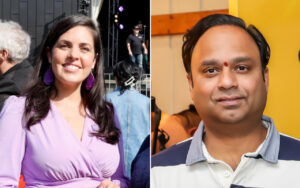
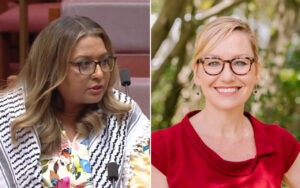
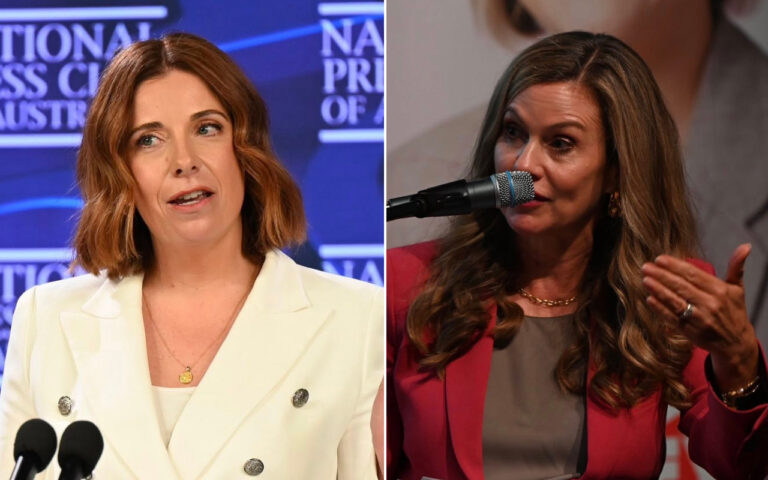
Header image: Left, Anika Wells. Right, Julie Inman Grant (Facebook).