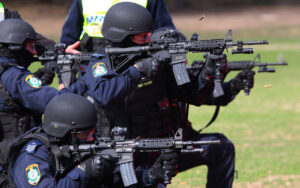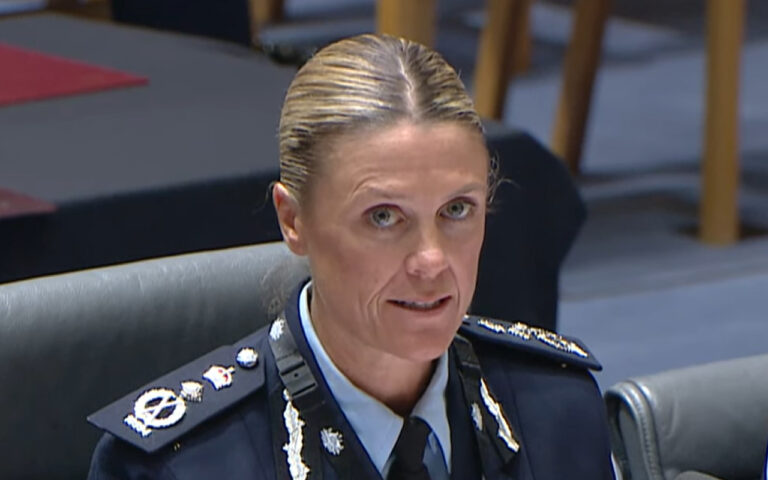
The Australian Federal Police boss has revealed her “hate disrupter squads” have ramped up their aggression since new “hate speech” laws were passed by the major parties.
Commissioner Krissy Barrett told Senate Estimates on Tuesday that her new National Security Investigations (NSI) teams, which she set up to prevent “harm to social cohesion” after being appointed, had been “very successful”, even though they failed to detect or prevent the Bondi Islamic terrorist attack.
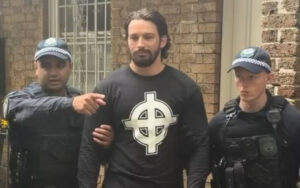
She told the Senate committee that the AFP was focusing on proactive and early intervention policing, and had two standing operations in continuous effect – Operation Drakelow targeting White supremacists, and Operation Antrobus focusing on “known and emerging hate preachers”.
“Primarily, we are focused on public safety, however, under my Commissionership, the AFP will take a very proactive approach to intervene much earlier,” she said.
“Intervening earlier helps to ensure criminals are disrupted before they reach the most serious levels of offending. And that is critical for public safety.
“That is why I established our new hate disrupter squads. These flying squads of hate disrupters have been very successful in identifying offending and charging offenders before violence is carried out.”
Ms Barrett said NSI teams had now charged 21 people since October, the majority relating to threats towards parliamentarians, high-office holders and the Jewish community.
“The National Security Investigations teams’ proof of concept has been successful, and they are now being expanded throughout the country,” she said.
“And since the Combatting Antisemitism, Hate and Extremism Act received Royal Assent a few weeks ago, the AFP is taking an even more aggressive approach.”
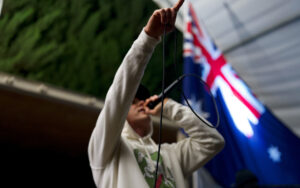
Ms Barrett also referred to recent terrorism charges laid against a man, 31, by the Western Australia Joint Counter Terrorism Team for allegedly throwing a home-made improvised device into the crowd at an anti-Australia Day rally, and said the AFP alleges he “acted to advance a nationalist and racially motivated ideological cause”.
She then said “hatred and a willingness to mobilise to violence … often masquerades as a right or freedom to do or say something” and was being targeted at minority groups, politicians and senior public officials, but noted the majority of the AFP’s terrorism caseload was “religiously motivated violent extremism”.
Ms Barrett told the committee “modern policing is not always about arresting and charging, it includes the benefit of disrupting”, and said under her Commissionership “we will disrupt and intervene however and whenever we lawfully can”.
“Some of our actions will be visible and overt, and other actions will be lawful and covert – and that unpredictability should worry those who are on our radar, and those who will be as we widen our net,” she said,
“My advice – if you are one of these groups or individuals – your life will become very uncomfortable.”
Header image: Krissy Barrett at Senate Estimate (Australian Parliament).