The Australian government cannot use ankle bracelets and curfews on the hundreds of serious criminals it has released from immigration detention, the High Court has ruled.
The Albanese government has allowed more than 340 immigrant criminals who are refusing to be deported, including murderers and paedophiles, back into the community since the same court ruled in November 2023 that a “stateless” Rohingya child rapist dubbed NZYQ could not be held indefinitely.
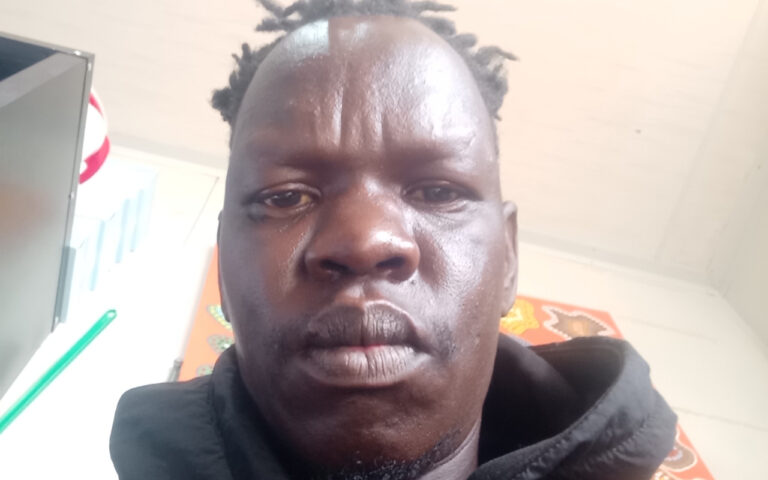
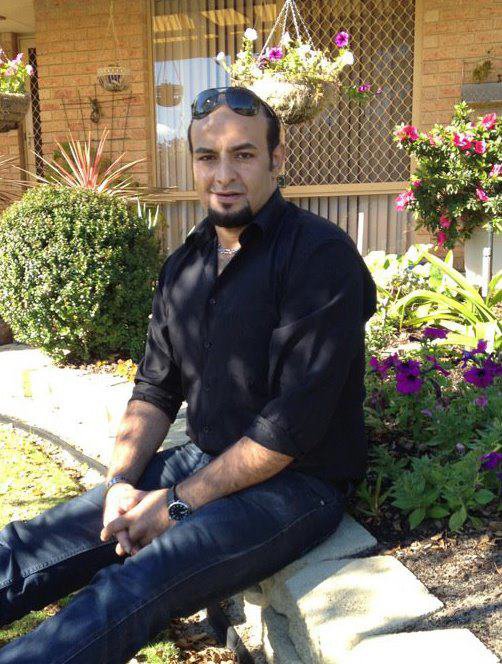
Dozens of the NZYQ cohort have gone on to allegedly commit more serious crimes, including Zimbabwean man Lominja Friday Yokoju, who allegedly beat an Australian man to death in Melbourne, and Kuwaiti-born Majid Jamshidi Doukoshkan, who is accused of bashing an elderly lady in a home invasion in Perth.
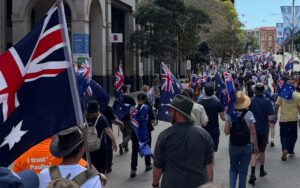
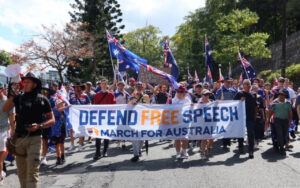
Yokoju was caught on camera attacking a police officer while wearing his ankle bracelet during a protest just weeks before the alleged murder, which was allegedly witnessed by Border Force officers who turned up at the scene to update the device.
Labor introduced the ankle bracelets and curfews amid public outrage at the decision to release the cohort into the community, but it was previously struck down by the court in 2024 and re-introduced by immigration minister Tony Burke with a higher legal threshold.

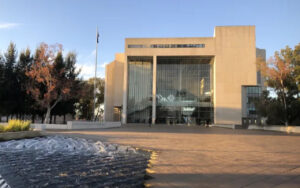
But on Wednesday High Court Chief Justice Stephen Gageler AC ruled the Commonwealth’s power to impose the conditions was punitive, and therefore invalid, The Sydney Morning Herald reported.
The ruling was made in a case brought by a Papua New Guinean murderer who was given a protection visa after being released from prison in 2022, jailed again for domestic violence offences in 2023, sent back to immigration detention in 2024, and released into the community on a bridging visa in 2025 pending removal.
According to government sources there are 48 immigrant criminals with ankle bracelets living in the community after being spared deportation, and they will now be given mandatory reporting conditions similar to bail.
“Fortunately we now have the agreement with Nauru, because the best thing for people who have had their visa cancelled is to not be in this country,” Mr Burke said in response to the ruling.
“While obviously the government would have preferred a different outcome, the government’s ambition was never about ankle bracelets. If someone has their visa cancelled, they should leave. And that’s what we’re determined to achieve.”
The federal government last year made a $2.5 billion deal with Nauru to resettle the NZYQ cohort there, but only six have arrived so far. Another 27 have had 30-year Nauruan visas approved, and a further 27 have applications underway.
A majority of the released detainees have also been receiving a taxpayer-funded “special benefits payment” of up to $2,000 a month since being released.
Header image: Lominja Friday Yokoju (Facebook).